Maintaining the allure of commercial properties through effective landscape care is both an art and a science. A well-kept landscape not only enhances aesthetic appeal but also contributes to property value, tenant satisfaction, and environmental sustainability. However, achieving this balance requires strategic planning and cost-effective solutions. This article delves into the intricacies of ongoing landscape care solutions, exploring how businesses can optimize their landscaping maintenance programs while ensuring financial prudence.
The Importance of Professional Landscape Maintenance
Professional landscape maintenance goes beyond mere aesthetics. It provides a multitude of benefits that can significantly impact a commercial property’s success. A visually appealing exterior can Helpful site attract customers and clients, create a welcoming environment for employees, and improve overall morale. Moreover, consistent maintenance can prevent costly issues down the line, such as pest infestations or plant diseases that may arise from neglect.
Employing professional landscape maintenance services allows businesses to tap into expertise they may not possess in-house. These services typically offer tailored solutions that address specific needs while adhering to industry best practices. For instance, a well-designed landscape care program will consider local climate conditions, soil types, and plant species to ensure long-term viability.
Understanding Different Maintenance Programs
When it comes to selecting the right type of ongoing landscape care program, businesses often face various options. Understanding the distinctions among them is crucial for making informed decisions regarding budget allocation and service expectations.
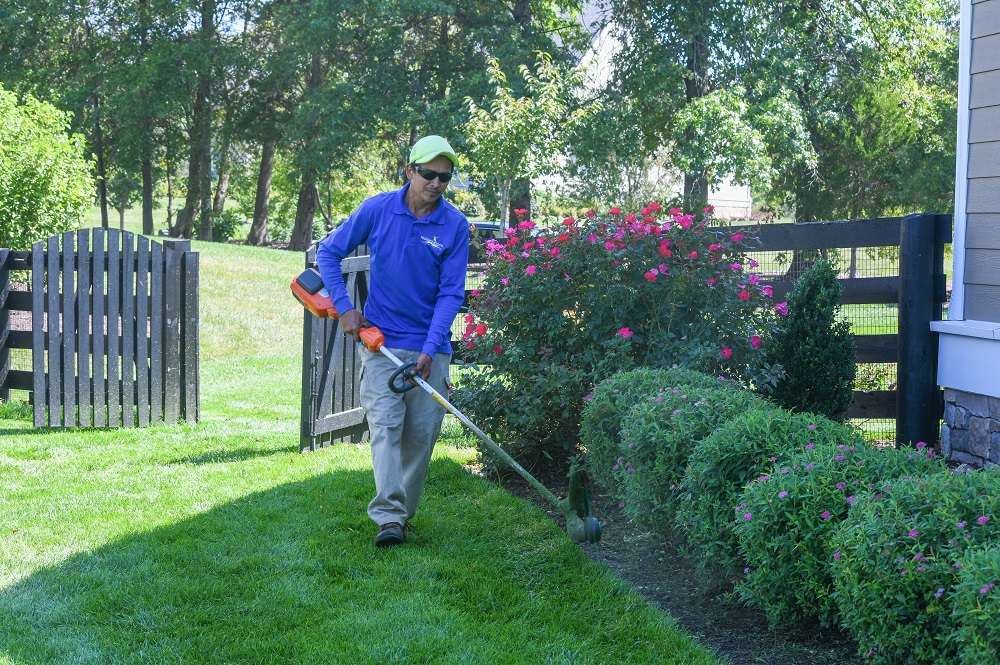
Full-Service Landscape Maintenance: This comprehensive approach includes all aspects of landscape care—from mowing and trimming to seasonal planting and pest management. Full-service programs are ideal for businesses seeking a hands-off solution that ensures continuity in care without requiring direct oversight.
Scheduled Landscape Maintenance: Scheduled programs typically operate on fixed timelines—weekly, biweekly, or monthly—and focus on routine tasks like lawn mowing, weeding, and shrub trimming. These services provide consistency but may require adjustments based on seasonal changes or specific landscaping needs.
Customized Maintenance Programs: Tailored specifically to meet unique requirements, customized programs allow property managers to select specific services based on individual landscape features or business goals. This flexibility can lead to more efficient use of resources.
Annual Landscape Maintenance Plans: These plans outline all required services over an entire year in advance. By planning ahead, businesses can better budget their expenses while ensuring essential tasks are not overlooked during peak seasons.
Preventative Landscape Maintenance: Focusing on early detection and prevention of potential issues rather than reactive measures can save money in the long run. Regular inspections help identify problems before they escalate into significant challenges.
Each program has its own merits depending on the size of the property, available budget, and desired outcomes. Property managers must assess these factors closely to select the most appropriate option for their specific circumstances.
Cost-Effectiveness in Ongoing Landscape Care
Budget constraints often play a pivotal role in determining which landscape maintenance solutions are implemented. To maximize cost-effectiveness without sacrificing quality, organizations should consider several strategic approaches:
Invest in Quality Over Quantity
While it might be tempting to opt for lower-cost providers or minimal service offerings to save money upfront, investing in high-quality maintenance services can yield better long-term results. Experienced professionals bring knowledge that helps avoid costly mistakes—such as choosing unsuitable plants or mismanaging irrigation systems—that can lead to significant replacement costs later on.
Leverage Technology
Advancements in technology have revolutionized grounds maintenance programs by introducing tools that enhance efficiency and accuracy in various tasks. Automated irrigation systems adjust watering schedules based on weather patterns; soil sensors provide real-time data about moisture levels; drone technology offers aerial assessments of large properties—all contributing to informed decision-making that conserves resources over time.
Embrace Sustainable Practices
Sustainability is not just a buzzword; it is increasingly becoming a necessity within commercial landscaping practices due to rising awareness around environmental impacts and regulations governing land use management. Implementing sustainable practices—such as xeriscaping (landscaping designed for water conservation), using native plants that require less upkeep or pesticides—can reduce costs associated with water usage and chemical treatments while promoting ecological health.
Evaluate Service Frequency
Determining how often landscaping services are needed requires careful analysis of property conditions as well as seasonal changes throughout the year—the goal being striking a balance between maintaining appearance without incurring unnecessary expenses from excessive service frequency.
For instance:
- A retail space may benefit more from weekly visits leading up to peak shopping seasons. Conversely, corporate offices might find biweekly visits sufficient during quieter months when demand is lower.
By tailoring frequency according to specific needs instead of adopting one-size-fits-all approaches driven solely by convenience or habit yields better resource management overall.
Utilize Managed Landscape Services
Managed landscape services allow organizations access not only skilled labor but also project management expertise necessary for successful long-term upkeep initiatives—ensuring optimal execution across all aspects from design through implementation phases while maintaining financial accountability throughout each step along the way!
Assessing Performance Metrics
To gauge whether chosen solutions are delivering expected returns on investment (ROI), it is essential for organizations engaging professional maintenance programs regularly assess performance metrics related specifically toward landscaping efforts employed within respective environments:
- Property Value Increase: Tracking any upticks in valuation post-maintenance interventions. Customer Satisfaction Surveys: Gathering feedback from tenants/customers regarding their perceptions surrounding landscape aesthetics/maintenance levels. Cost Savings Analysis: Monitoring expenses incurred versus projected budgets against set benchmarks established at program inception stages allowing identification areas needing further refinement/modification over time!
Establishing these metrics—as part of an ongoing evaluation process—enables continuous improvement cycles benefitting both properties being serviced alongside companies offering these critical support solutions!
Navigating Contracts & Agreements
An essential aspect when engaging with commercial maintenance agreements involves understanding contract terms prior signing off onto mutual commitments between parties involved! Key components usually encompass:
- Duration & Renewal Terms Scope Of Work Outlined Clearly Termination Clauses Pricing Structure Including Any Additional Fees Conditions For Service Modifications Due To Weather/Seasonal Changes
These clauses should reflect realistic expectations enabling adaptability should circumstances shift unexpectedly making sure everyone remains aligned toward common objectives achieving desired outcomes effectively!
Conclusion: The Path Forward
Achieving balance between cost-effectiveness while ensuring high-quality ongoing landscape care requires thoughtful consideration at every stage—from initial planning through execution monitoring final results achieved throughout engagement periods! By investing wisely into tailored professional maintenance programs leveraging technology embracing sustainability principles companies stand poised reap rewards associated enhanced curb appeal increased tenant satisfaction ultimately elevating overall market positioning within respective industries!
As trends evolve so too should approaches taken toward managing landscapes reflecting contemporary values emerging demands shaping future endeavors ensuring continued relevance amidst shifting paradigms witnessed across various sectors today!